The Breath Between Notes: Why Phrasing Needs Space
The breath between notes can reveal how a musical phrase turns, settles, or continues. Learn to hear expressive space without mistaking every pause for an ending.
The most common mistake in hearing a musical phrase is to treat every note as a separate event. The cost is a melody that sounds like a row of beads rather than a line with direction. The breath between notes—the space a performer leaves, or seems to leave, between sounds—can show where that line leans, settles, or starts again.
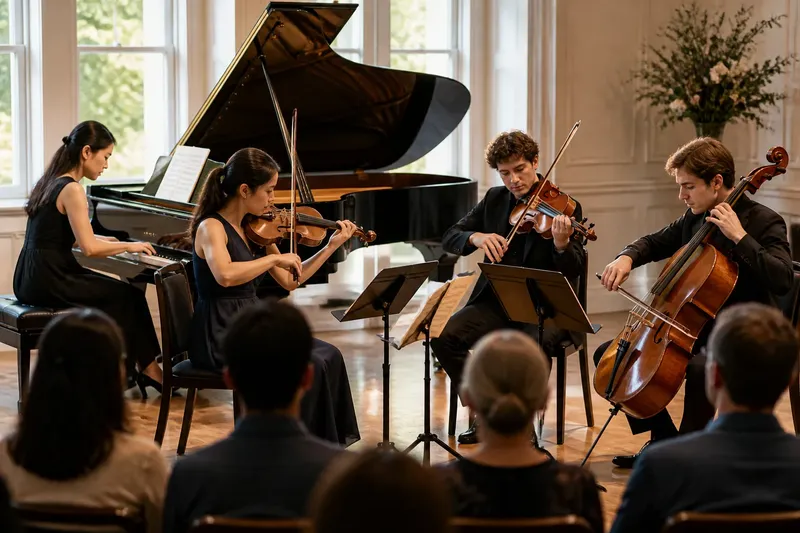
That space is not always a literal pause. A singer may release one note before breathing; a violinist may change bow direction without breaking the sound; a pianist may let one tone fade as the next arrives. These choices shape how a phrase relates to its musical setting, not just how one note leads to another.
How does a phrase relate to the music around it?
A phrase is more than a melody’s contour. It may answer a figure in the accompaniment, echo a phrase from earlier in the piece, or push against a steady pulse. Those relationships help explain why a pause or emphasis feels meaningful in one passage but awkward in another.
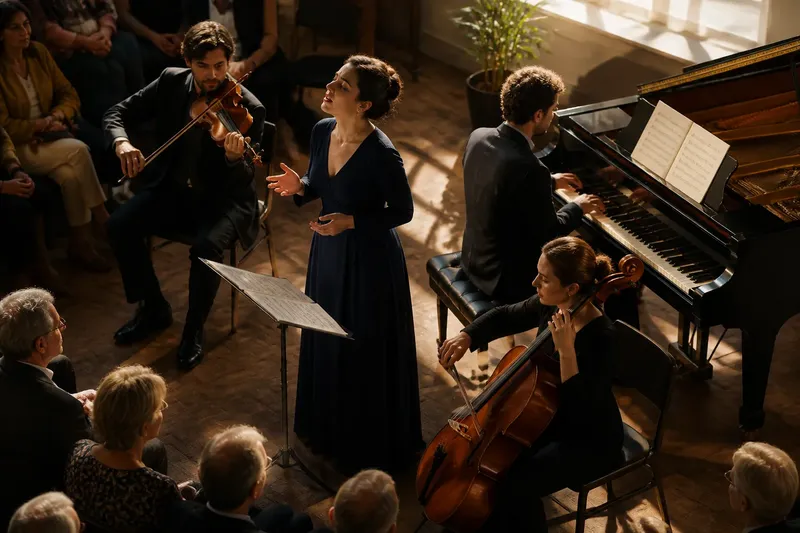
Listen for a musical cue outside the melody: a bass note that returns, a chord change, or a repeated rhythmic figure. Then notice whether the phrase seems to meet, resist, or leave that cue behind. The question is not simply where the melody goes, but what it seems to do in the company of the other parts.
Imagine a violin melody that pauses just before a chord change. If the next note settles into the new harmony, the gap may make the arrival feel deliberate. If the accompaniment keeps a flowing pattern through the same space, the pause may instead make the melody sound briefly independent of the ensemble’s motion.
When does a pause feel expressive rather than disruptive?
A pause often feels expressive when the silence seems to connect the thought before it with what follows. It can mark a turn, leave an earlier sound to resonate, or make the next entrance feel newly pointed. A pause can feel disruptive when it interrupts a motion that seems to require continuity.
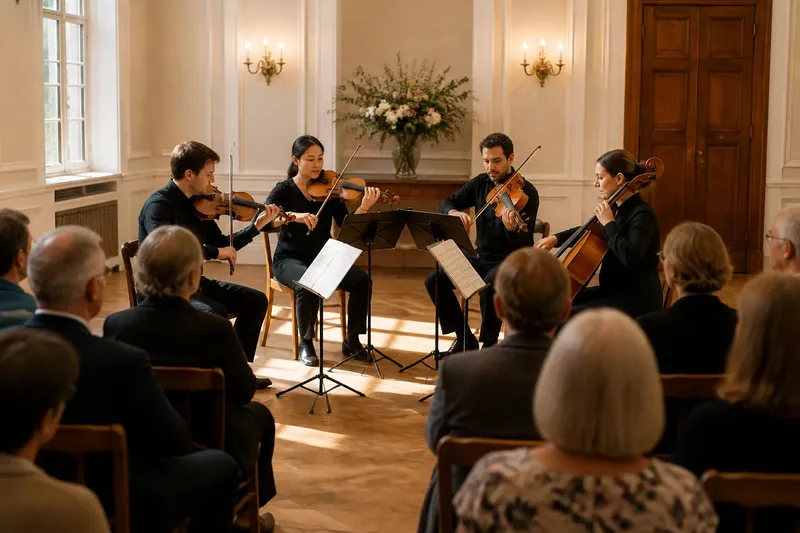
Listen to the sounds on both sides of the gap. Does the later note answer, complete, or redirect the earlier gesture? Also notice the room: in a concert hall, a tone can keep ringing after the instrument stops, so the next attack may arrive while the earlier sound is still present. That lingering resonance can make a small separation feel less like silence than like a bridge.
What can timing and emphasis change?
Emphasis is not just volume. A performer can draw attention to a note with a firmer attack, a warmer tone, a slight delay, or a longer release. The effect depends on its neighbors: one note may feel like a passing step, while another seems to receive the phrase’s full attention.
Picture a pianist playing a short descending figure. If the notes grow lighter as they fall, the line may seem to recede. If a lower note receives a gentle hold, the same figure may feel as though it has found a place to rest. The written pitches remain the same, but the phrase’s relationship to its arrival changes.
Timing also depends on the surrounding parts. If the ensemble broadens together, the whole passage may be slowing. If the melody leans while a bass line or repeated accompaniment pattern keeps moving, the phrase may be stretching against a steadier pulse. Neither effect is automatically better; they create different relationships between line and support.
How can you tell what a phrase is doing?
Rather than cataloging every technique, listen for the phrase’s role in its surroundings. Try these observations, and let each one point to a next question:
- Observation: The melody pauses while the accompaniment continues. If the pause makes the next entrance feel like a response, then hear it as a local separation; otherwise, check whether the whole ensemble is changing pace.
- Observation: A chord or bass note changes under a sustained melody note. If the melody seems to settle with that change, then the harmony may be shaping its arrival; otherwise, listen for whether the melody remains suspended over the new sound.
- Observation: A repeated figure returns with a different release. If the second version seems to point onward, then notice how its ending leads into the next phrase; otherwise, consider whether the repetition is meant to preserve an even character.
- Observation: The room’s reverberation lingers after a note. If the next attack seems connected to that lingering tone, then hear the resonance as part of the transition; otherwise, focus on the performer’s timing rather than the apparent length of the gap.
- Observation: The melody grows louder near a note. If that note also feels like a destination, then listen for how the following sound releases it; otherwise, treat the volume change as one detail rather than the phrase’s whole meaning.
- Observation: The ensemble’s pulse seems to widen. If the bass and accompaniment shift with the melody, then hear a broader change in pace; otherwise, check whether the melody alone is leaning against the beat.
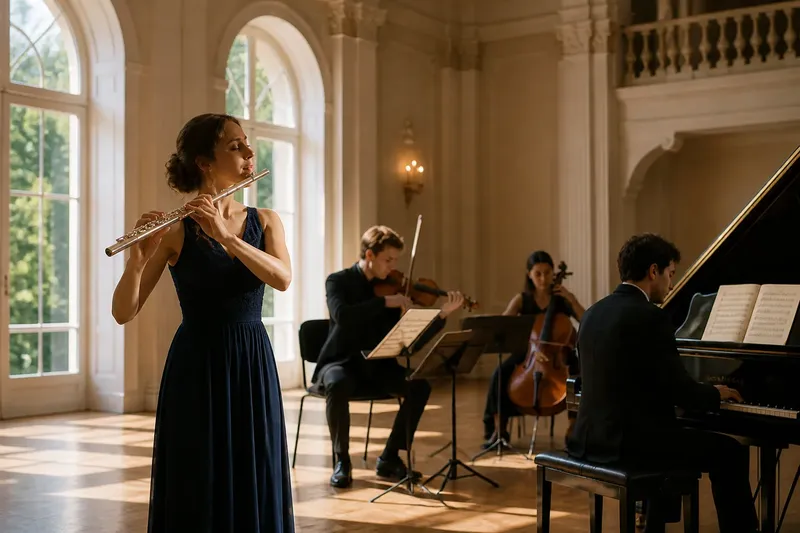
Say you hear a flute repeat a rising figure over a recurring accompaniment pattern. At first, both versions seem alike. On the next hearing, you notice that the accompaniment keeps its pattern while the flute gives the second arrival more room, then carries its final note into the next phrase. The resulting impression is of a melody that opens outward against a steady background, rather than simply repeating itself.
What questions help clarify a phrase’s direction?
Does a longer pause always mean the phrase is ending?
No. A performer may leave space before a note that continues the same thought. Listen for whether the next sound carries the earlier gesture forward, rather than judging by the gap alone.
Can a phrase feel connected without uninterrupted sound?
Yes. A brief separation may still link two notes through their timing, character, or musical role. The accompaniment can help you hear whether the line continues across the space.
Why can a hall change the sense of space?
Reflections from the room can let a tone linger or soften the edge of the next attack. That changes how the gap feels, even when the performer’s timing remains the same.
What if melody and accompaniment seem to disagree?
Their contrast may be the point: the melody can stretch while the accompaniment keeps moving, or answer a pattern that does not stop. Listen for how that tension shapes the phrase’s relation to the ensemble.
How can you follow phrasing without turning it into a puzzle?
Choose one relationship to hear: melody and accompaniment, a phrase and the harmony beneath it, or a note and the room’s lingering sound. You do not need to identify every technique. A useful question is whether a space makes the phrase feel connected, divided, or newly directed.
The breath between notes becomes easier to hear when you treat it as part of a musical conversation, not as a clue with one fixed answer. Notice what the phrase responds to, what it leaves behind, and what the next sound changes. That context can reveal why a small pause matters without requiring you to name every detail of the performance.