The Familiar Tune Trap: Hearing Beyond Recognition
Hear a familiar tune anew by noticing how its phrasing, timing, and expressive character shift in a live performance, without comparing it to memory.
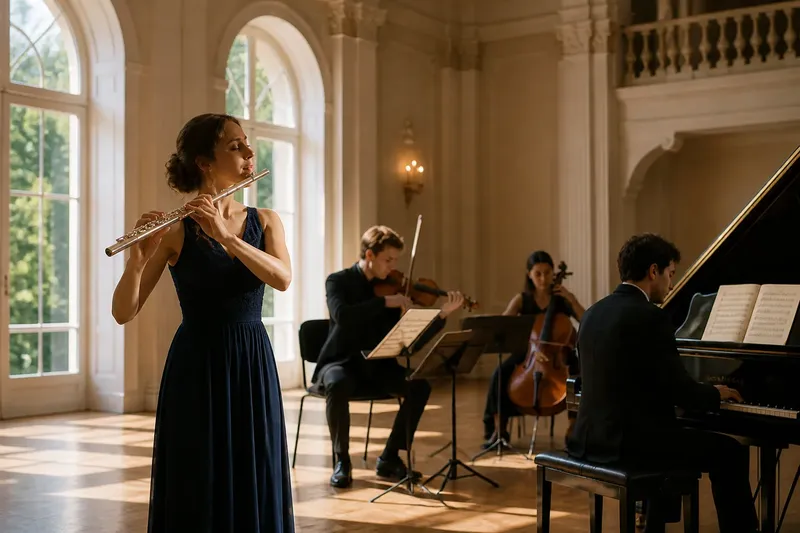
The common mistake with a familiar tune is treating recognition as the end of listening. You hear the opening notes, supply the rest from memory, and miss the choices that make this live performance distinct. To hear beyond recognition, notice how the musicians shape time: where a phrase breathes, presses ahead, or arrives with unexpected weight.
Those choices are not errors to catch against a recording. They are part of the performance unfolding in the room. You can listen closely without knowing the score or deciding what the music is supposed to mean.
What does phrasing reveal about a familiar tune?
A phrase is more than a sequence of notes. Its shape emerges through emphasis, duration, articulation, and the small spaces between musical thoughts. A performer may let a note linger, connect a run tightly, or give a pause enough room to feel like a question.
Try listening to the end of a phrase rather than predicting its next note. Does the sound settle gently, stop sharply, or seem to reach forward? These details help you hear a musical decision instead of merely recognizing the tune’s outline.
There is no single correct emotional label for a phrase. “The last note hangs in the air” describes an audible event; “the musician sounds heartbroken” adds an interpretation that may or may not fit. Keeping those ideas distinct leaves room for your response without confusing it with what you actually heard.
How can you hear timing without counting?
Listen for the relationship between the pulse and the notes placed around it. A steady underlying beat can carry a melody whose phrases stretch or gather. A brief pause before a return may make that entrance feel newly significant, even when the tempo has not changed.
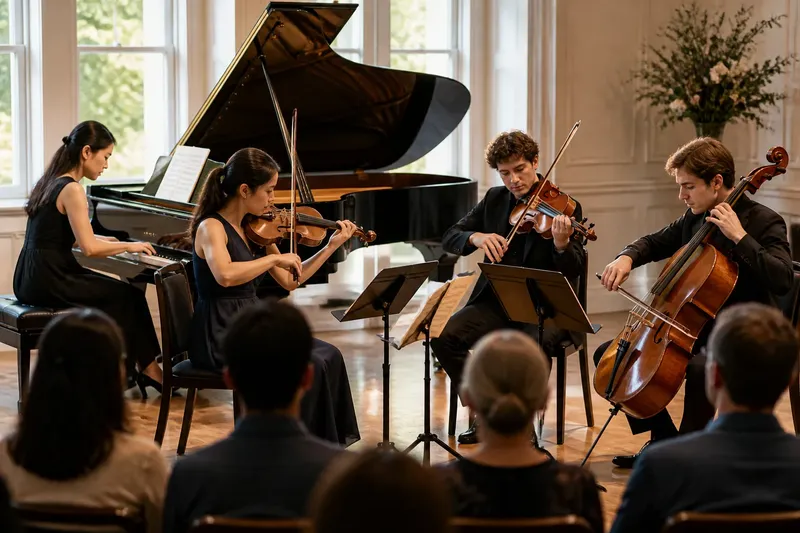
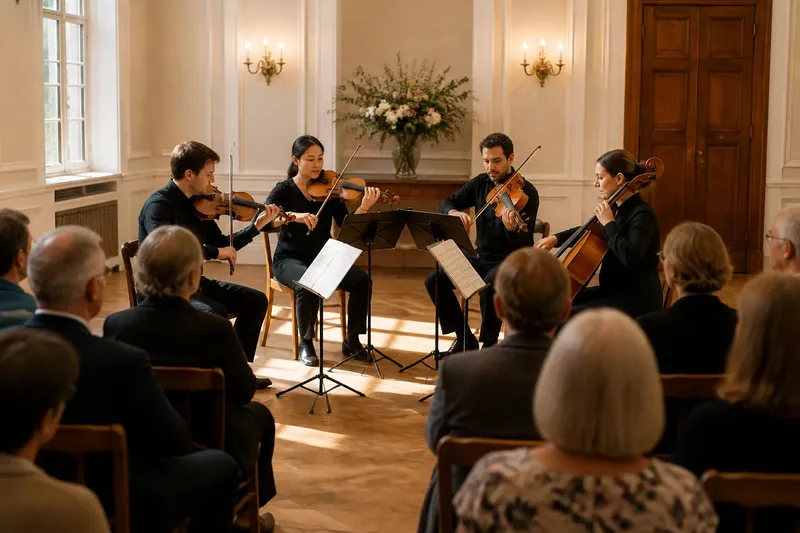
Notice whether the musicians seem to move together or whether one line leads and another follows. In chamber music, a held note or a slight delay can change the sense of conversation between players. You do not have to count beats; attend to whether the music feels settled, elastic, or newly urgent.
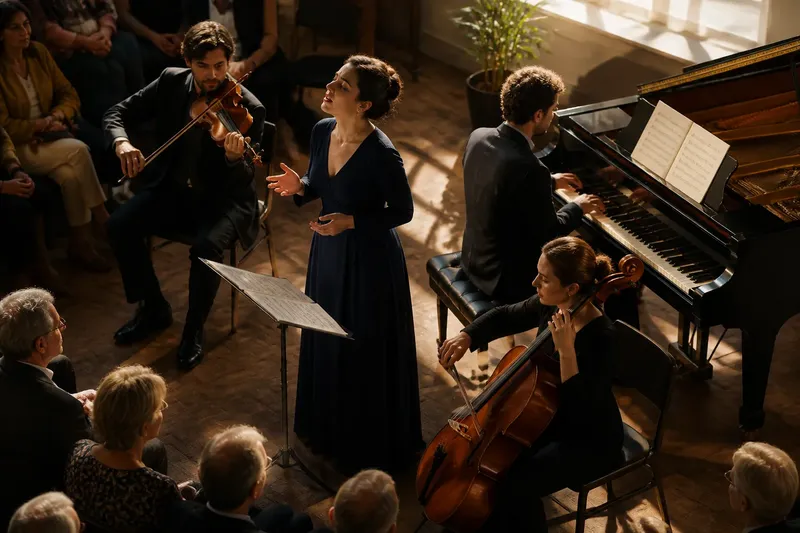
Imagine you recognize a song at a small hall, and its opening is marked in your memory as brisk and even. In this invented situation, the singer gives the final word of the first verse extra space, then begins the next line with a more direct attack. Listening for those two choices, you would hear a phrase that opens out and then gathers momentum, rather than simply confirming the pace you expected.
What changes when a performer shapes a return?
A recurring tune can return with a different expressive profile even if its notes remain familiar. Listen for the contrast in delivery: is the second statement more restrained, more buoyant, or more forceful? Consider how the new phrasing changes what the return seems to do in the larger passage.
Compare one clear feature at a time. You might notice that the opening phrase now has a sharper accent, or that a cadence arrives with less delay. Avoid trying to track every detail at once; a single audible contrast can make the repeated material feel newly alive.
Live sound also depends on where you sit and what carries across the room. If a subtle change is hard to hear, follow a broader feature such as the length of the phrase or the clarity of its ending. The performance is not a puzzle with one hidden answer.
What should you listen for after a familiar phrase?
When the tune finishes, keep your attention with the music rather than jumping straight to the next expected section. A held silence, an answering gesture, or a sudden change of character can affect how the phrase feels in retrospect. The response may come from the same musician or another part of the ensemble.
Notice whether the next passage carries forward the energy of the tune or turns away from it. You can describe the transition plainly: “the sound pauses,” “the next line begins quietly,” or “the mood becomes more animated.” Such observations give you useful material for interpretation without forcing a story onto the music.
What else do listeners ask about familiar tunes?
How can I listen closely if I do not know the instruments?
Use everyday sound descriptions instead of instrument names: bright or dark, smooth or rough, sustained or struck. If a phrase changes character, you can hear that shift without identifying the player.
Should I compare a live performance with a recording?
A recording can help you recognize a work, but treating it as a scorecard can distract from the choices happening in the hall. Listen to the live phrasing on its own first, then compare versions later if that interests you.
What if I keep anticipating the next note?
Recognition can make the mind race ahead. Bring your attention back to the current sound by listening for how a note begins or ends, rather than trying to suppress the tune you remember.
Can I use this approach with songs?
Yes. Listen to how a singer stretches a word, clips a consonant, or changes the force of a repeated line. A familiar lyric can sound different when its delivery changes.
How can you turn listening into a useful note?
After the performance, write down a few observations about phrasing and timing before they blur together. A simple record can separate what you heard from what you felt and help you describe why a passage stayed with you.
- Observe whether a phrase ended with a pause; if it did, note how the pause shaped the next entrance, and if it did not, describe the continuous transition.
- Observe whether a repeated phrase had a stronger or softer attack; if the contrast was clear, record its effect, and if it was not, note that the delivery seemed consistent.
- Observe whether a final note was sustained or cut short; if sustained, describe how it colored the silence that followed, and if brief, note the crisp ending.
- Observe whether the tempo felt steady or elastic; if it seemed to flex, name the passage where you heard the change, and if it felt steady, record that impression without assigning a cause.
- Observe whether the next passage continued the same character; if it did, describe the continuity, and if it turned away, note the change in energy or mood.
- Observe whether a repeated tune sounded more forceful or more restrained; if one quality stood out, write down the audible cue, and if neither did, note that the return felt similar.
The point of a familiar tune is not to catch the performer departing from a version in your head. Hearing beyond recognition means giving the present performance room to make its own shape—and listening for the small decisions that make that shape audible.