One Instrument or a Full Ensemble for First-Time Listening?
Choose a solo recital or ensemble concert for first-time listening by matching the sound you want: one performer's detailed choices or shared musical interplay.
The common mistake when choosing a first concert is assuming a solo recital will be easier to follow simply because fewer musicians are onstage. That choice can cost you the kind of musical experience you hoped for: close attention to one performer, or the changing relationships among several. For first-time listening, choose between a solo recital and an ensemble concert by the kind of sound you want to spend time with.
What can one performer change?
A solo recital puts one instrument at the center, but that does not mean the music has only one color. A pianist can set a low, steady bass beneath a bright melody, then bring the parts together in a fuller chord. A violinist can make a sustained note feel exposed before turning the same line into a quick, restless run.
The appeal is the closeness of those choices. Listen for how a performer shapes the start of a phrase, softens its ending, or changes the sound as a tune returns. You do not need to identify a technique; the audible difference is enough.
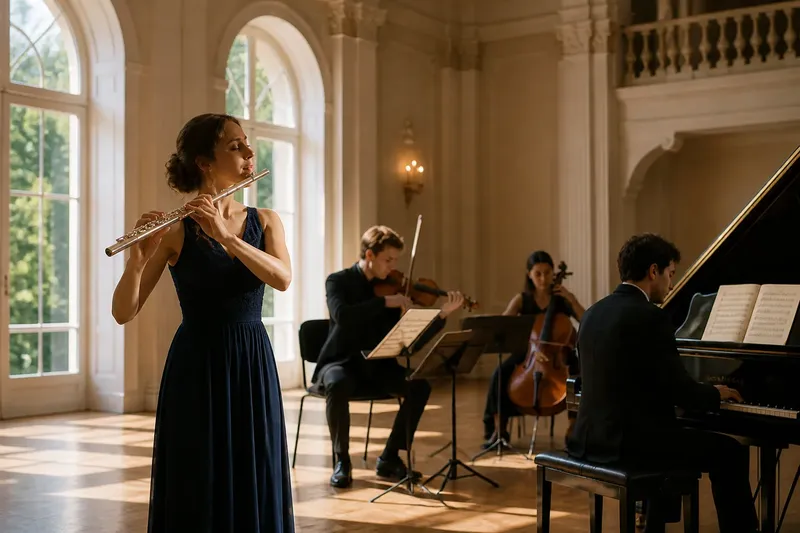
Consider the instrument named in the listing, too. Piano can carry melody, harmony, and low notes at once. A solo flute or cello centers a more focused family of sounds. Neither format is automatically easier to enjoy: a solo recital rewards attention to what one performer can make of the material.
What changes when musicians share the stage?
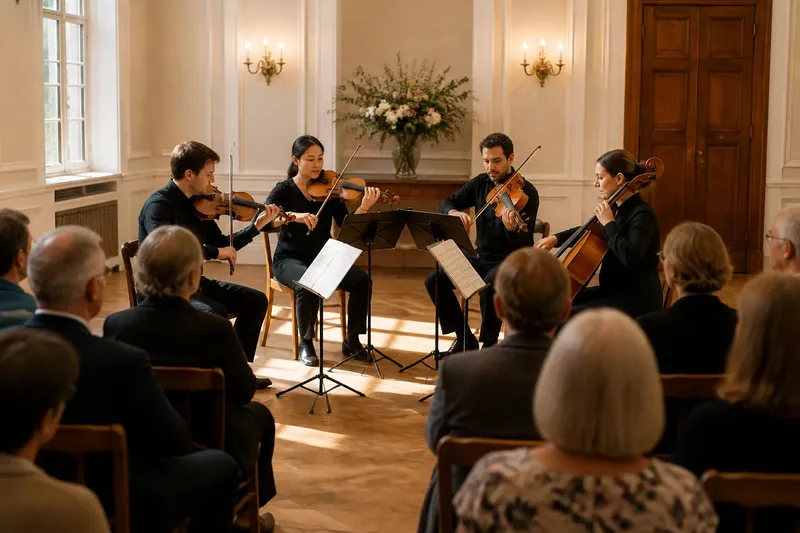
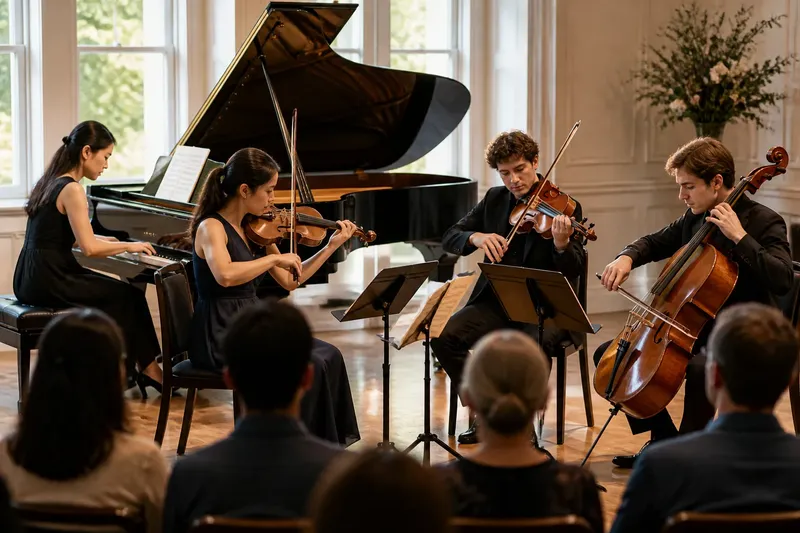
An ensemble makes musical relationships part of the experience. In a string quartet, a tune might move from violin to viola while the cello supports it. In a jazz combo, piano and bass may set up a solo, while the drums alter the feel beneath it. The interest lies in the parts’ timing and response, not just in the number of instruments.
That shared sound can be layered or spare. A group may play together, leave space for one musician, or trade a musical idea back and forth. Rather than trying to hear everyone at once, notice one exchange: a melody handed to another player, a quiet part supporting a louder one, or a pause that changes the room’s energy.
The effect depends on the particular music and performers, not a simple scale from small to large. A quartet can sound delicate or forceful; a full orchestra can move from a single exposed line to a dense, blended texture. Think of ensemble parts like people passing a note across a table: what matters is how it changes hands.
How do you match the concert to your attention?
Choose a solo recital if you are curious about one performer’s decisions: the shape of a phrase, shifts in tone, or the contrast between a quiet passage and a more emphatic one. Choose an ensemble if you want to hear roles interact—one part leading, another supporting, and a third changing the texture.
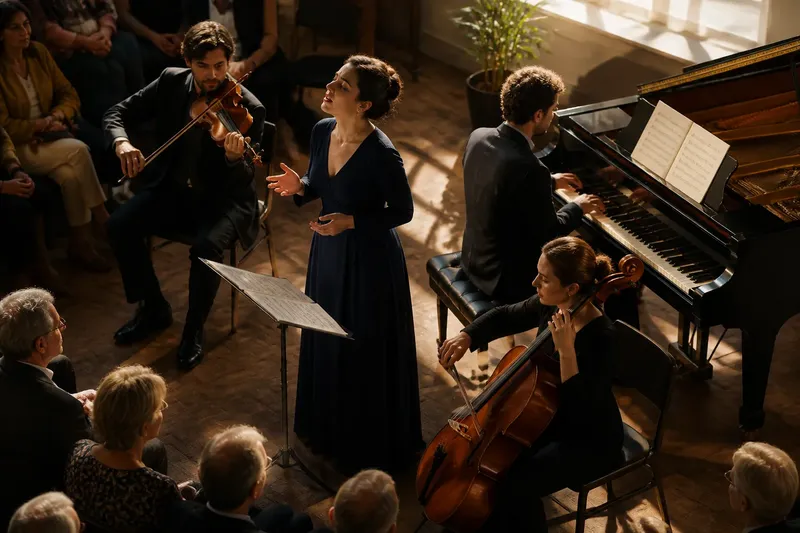
The room and repertoire matter alongside the format. A chamber group in a close hall may make individual parts easy to distinguish; a solo instrument in a large room may feel expansive rather than intimate. A program with contrasting works can also offer changes of mood within either setting.
Say you have an open evening and two options: a cello recital featuring several contrasting works, or a string quartet concert. If you want to hear how one musician changes color and intensity, choose the recital. If you would rather follow a melody as it passes among players, choose the quartet. The expected result is a different focus for your attention, not a promise that one concert will be more enjoyable.
What should you check in a concert listing?
Use the listing to picture the sound, rather than trying to judge which event is more serious or advanced. For each item below, check the stated detail; then use the result to decide whether to keep considering that concert or look for a better match.
- Performers: Check whether the listing names one performer, a duo, a chamber group, or a larger ensemble. If you want one musical voice in focus, keep the solo option; if you want interaction among players, consider the group, or choose another listing if neither fits.
- Instruments: Check whether the listing names an instrument or voice you already enjoy hearing. If it does, use that familiarity as a reason to consider the concert; if not, choose it only if exploring an unfamiliar sound appeals to you, or browse for a more familiar timbre.
- Program shape: Check whether the program includes one instrument throughout or several combinations of performers. If you want a consistent sound, favor the former; if you want changing colors, favor the latter, or compare another program if neither sounds appealing.
- Featured roles: Check whether a soloist performs with accompaniment or whether the listing presents a group as a whole. If you want one player in the foreground with support, consider the soloist; if you want shared roles, consider the group, or select a different event.
- Venue: Check the room named in the listing and whether it is a small hall or a larger concert space. If close detail appeals, favor the smaller setting; if you want a broad, blended sound, consider the larger one, or look for another venue if the room feels like a poor fit.
- Program notes: Check whether a short description identifies the instruments or gives context for the works. If it answers a question you have, read it before deciding; if it adds no useful context, skip it and choose based on the performers and sound instead.
Program notes are optional. You can read just enough to recognize who is playing and what kind of group you will hear, then let the concert provide the detail. Listening does not require keeping a running inventory of musical terms.
What do first-time listeners ask about solo and ensemble concerts?
Is a solo recital always less varied than an ensemble concert?
No. A solo performer can create contrasts through changes in register, articulation, and intensity, while an ensemble can sustain a similar texture for a stretch. The music and performance matter more than the number of players alone.
Do I need to identify every instrument?
No. You can follow changes in volume, notice who seems to lead, or attend to the mood and movement. Recognizing an instrument may add detail, but it is not required to enjoy the performance.
Which concert suits me if my attention drifts?
Think about what tends to draw you back: one clear focal point or changing sounds and interactions. Consider the instruments, repertoire, and room along with the group size, then choose the listing that best matches that preference.
Should I read the program before the concert?
Read it if a short description makes you curious or helps identify the performers and instruments. If it feels like homework, skip it; you can begin listening without prior knowledge.
How can you settle into the performance?
Choose a small point of attention, not a demand to understand everything. At a solo recital, notice whether a tune changes when it returns. At an ensemble concert, listen for a handoff between players or a moment when the group moves together.
If your attention wanders, wait for an audible landmark: a pause, a new sound, or the return of a melody. Let that moment bring you back without trying to reconstruct what you missed. The main phrase, solo recital or ensemble concert for first-time listening, comes down to the focus you want: one performer’s detailed choices or the interaction among musical voices. A listing can point you toward either, but the sound in the room may still surprise you.